Foods To Taste
The Importance of Accurate Measurements
Unlike cooking, where ingredients can be adjusted on the go, baking requires exact proportions. Using too much flour can make your cake dense, while too little sugar can affect texture and moisture levels. Measuring accurately helps maintain the right balance of ingredients.
Common Baking Measurements
Baking uses different units of measurement depending on where you are in the world. The most commonly used systems include:
Imperial (Cups, Tablespoons, Teaspoons, Ounces, Pounds) – Predominantly used in the U.S.
Metric (Grams, Milliliters, Kilograms, Liters) – Common in most other countries.
Conversions You Need to Know
For bakers working with international recipes, knowing how to convert measurements is essential. Here are some common conversions:
Flour: 1 cup = 120 grams
Sugar: 1 cup = 200 grams
Butter: 1 cup = 227 grams
Milk/Water: 1 cup = 240 milliliters
1 tablespoon = 3 teaspoons = 15 milliliters
1 ounce = 28 grams
1 pound = 16 ounces = 454 grams
How to Measure Ingredients Correctly
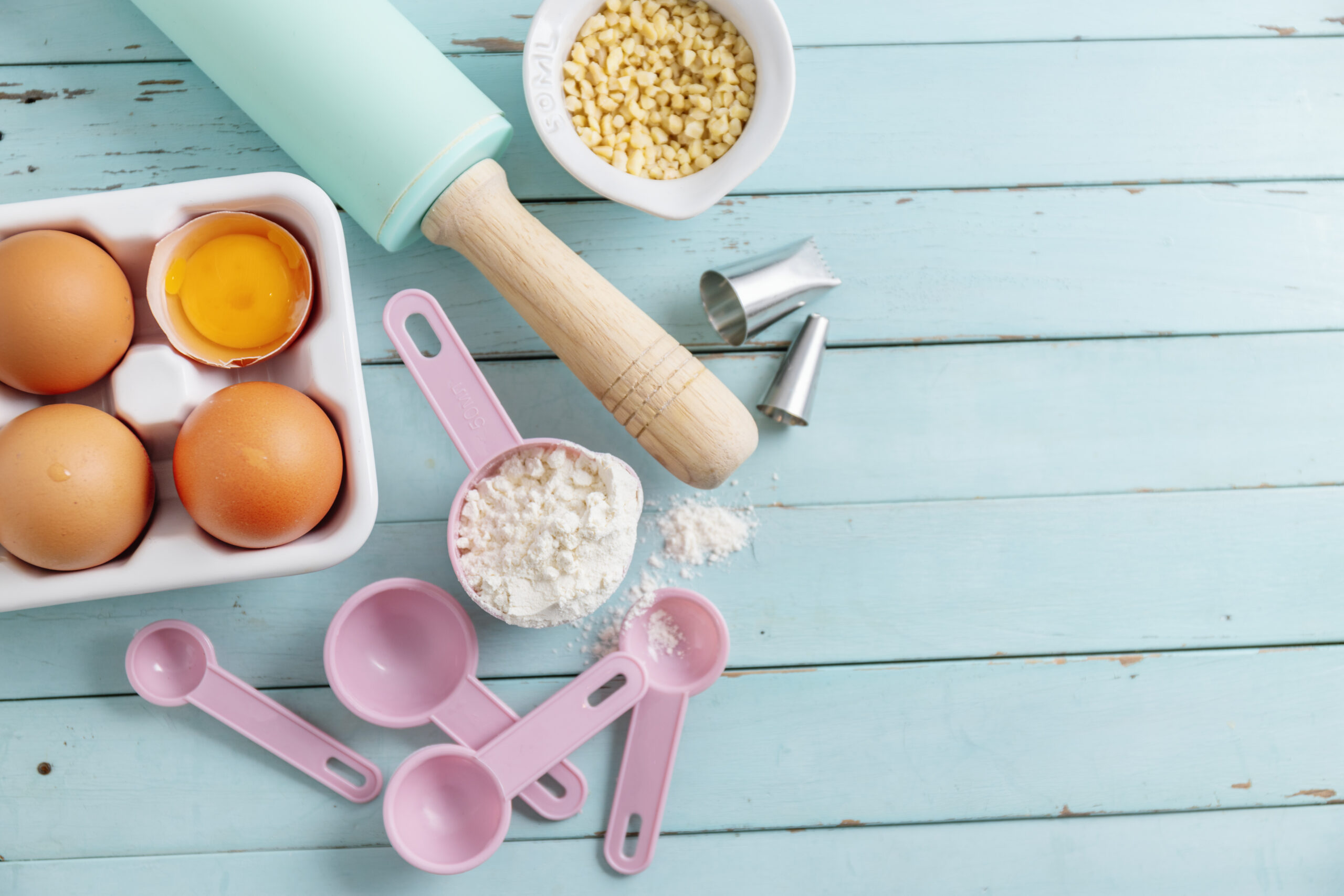
1. Dry Ingredients – Use measuring cups specifically for dry ingredients. Spoon the ingredient into the cup and level it off with a knife for accuracy.
2. Liquid Ingredients – Use a liquid measuring cup with a spout. Check at eye level to ensure the correct amount.
3. Weighing Ingredients – A digital kitchen scale provides the highest accuracy and is recommended for best results.
Tips for Consistent Baking Results
Always use the same measuring tools throughout a recipe.
Convert measurements before starting if needed.
When in doubt, weigh ingredients instead of relying on volume measurements.
Sift flour before measuring for accurate results.
Room temperature ingredients blend better and yield even textures.
Final Thoughts
Mastering baking measurements and conversions takes practice, but once understood, it becomes second nature. Whether you're baking a classic cake, cookies, or bread, precise measuring ensures a delightful end result every time.
Happy baking!